Does nail polish remover remove tattoos? If you’ve ever been tempted to grab a cotton pad, soak it in acetone-based nail polish remover and swipe at a tattoo, you’re not alone. I’ve had clients in my Melbourne cosmetic tattoo studio tell me they’ve tried it on temporary tattoos and older cosmetic ink. And while acetone will happily dissolve nail polish, your skin and tattoo pigments are a different story, especially when skin health is on the line.
I’ve spent years fixing faded brows, patchy lips and botched body art from home tattoo removal methods. And just like with laser hair removal — where precision, skin type and aftercare matter — the safest way to remove ink is always professional. At Face Figurati Cosmetic Tattoo Studio, we only recommend removal methods that protect your skin while achieving the best possible fade.
Contents
Why People Think Remover Fades Ink
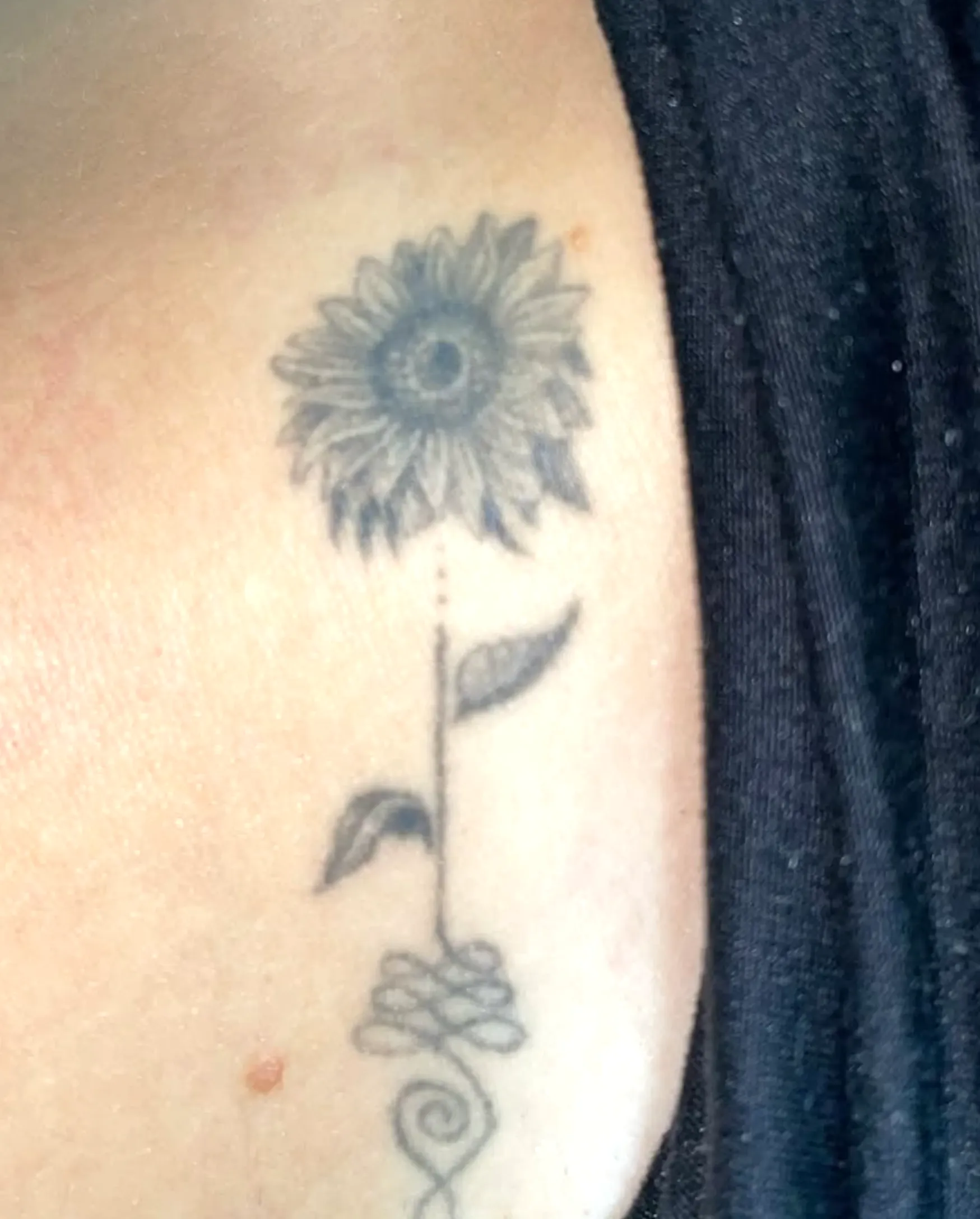
It seems logical: if acetone can remove nail colour, it might remove temporary ink or even a permanent tattoo. In reality, your skin is way more complex than the surface of a fingernail. While acetone might break down adhesives or skin adhesive from temporary skin tattoos, it won’t reach pigment stored deep in the dermis.
Where it might have a small effect is on body art that sits on the surface, like a mermaid tattoo decal used in the film industry for costume makeup, or eye shadow blended over an application area for a festival look. But unlike laser tattoo removal, which targets pigment beneath the skin, acetone stays strictly on the surface.
Where Tattoo Pigments Live In The Skin
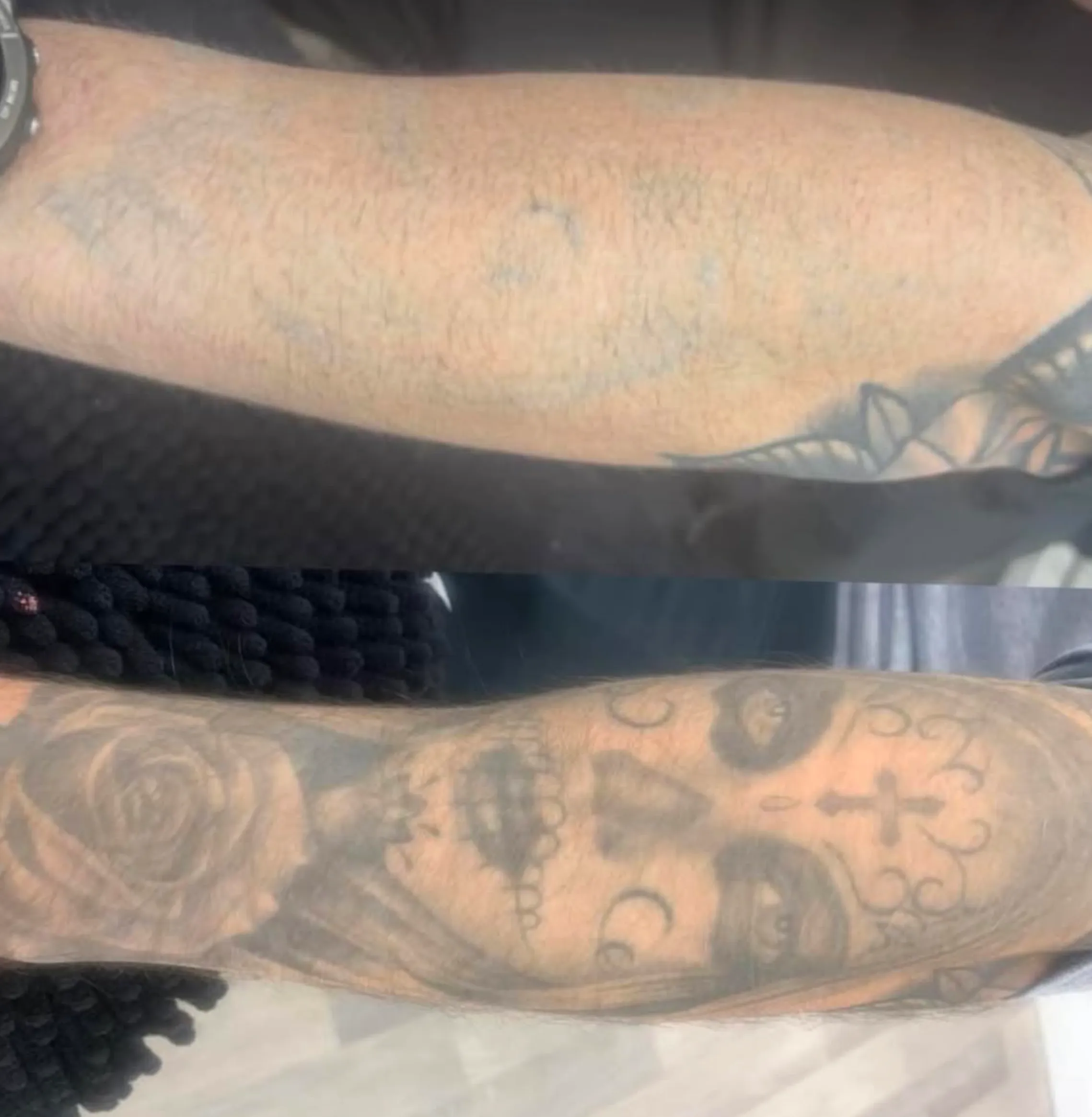
Permanent tattoos are placed into the dermis layer, where skin cells don’t shed as quickly. That means no amount of duct tape, oil-based products, or solvent can simply “lift” the pigment out. Your skin’s natural cell turnover might soften colours over years, but it won’t remove them.
Temporary skin tattoos — including transfer stickers, airbrush designs, or stage makeup — sit on the epidermis. Here, exfoliating scrubs and oil-based removers can work by breaking down pigment and gently removing it from the surface.
Risks Of Nail Polish Remover
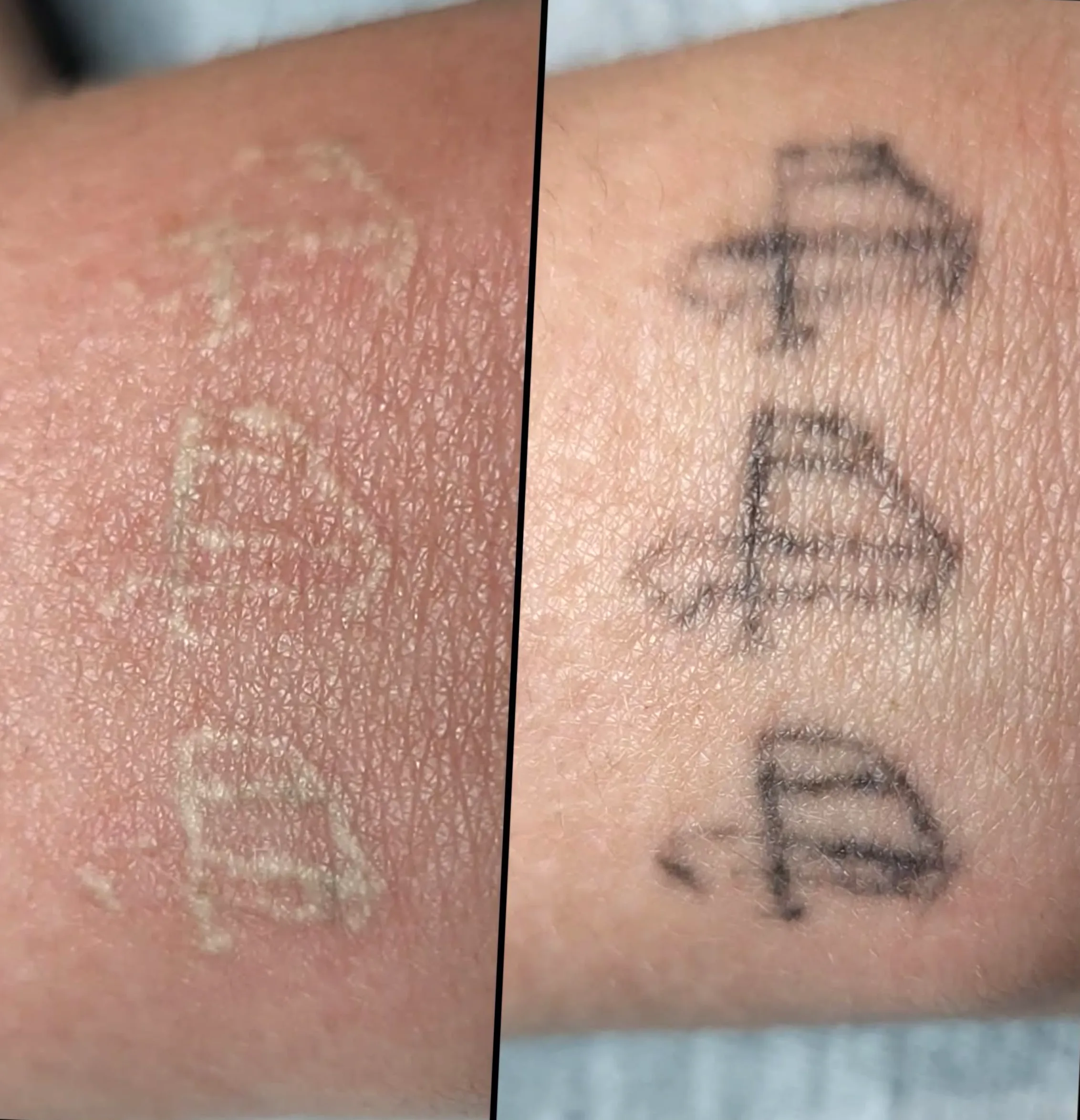
Acetone-based nail polish remover might technically break down some surface pigments, but it comes with major downsides:
- Skin irritation — especially on sensitive skin
- Allergic reaction risks, particularly if combined with other chemical removers
- Stripping of natural oils, leading to flakiness and delayed healing
- Increased sensitivity in future treatments, whether cosmetic tattooing or skincare
I’ve seen clients try this on application areas like brows or lips, only to come in needing colour correction and treatment for redness. In some cases, hypoallergenic lotion and a cold compress were needed before we could even start saline tattoo removal sessions to fix the damage.
When Remover Helps
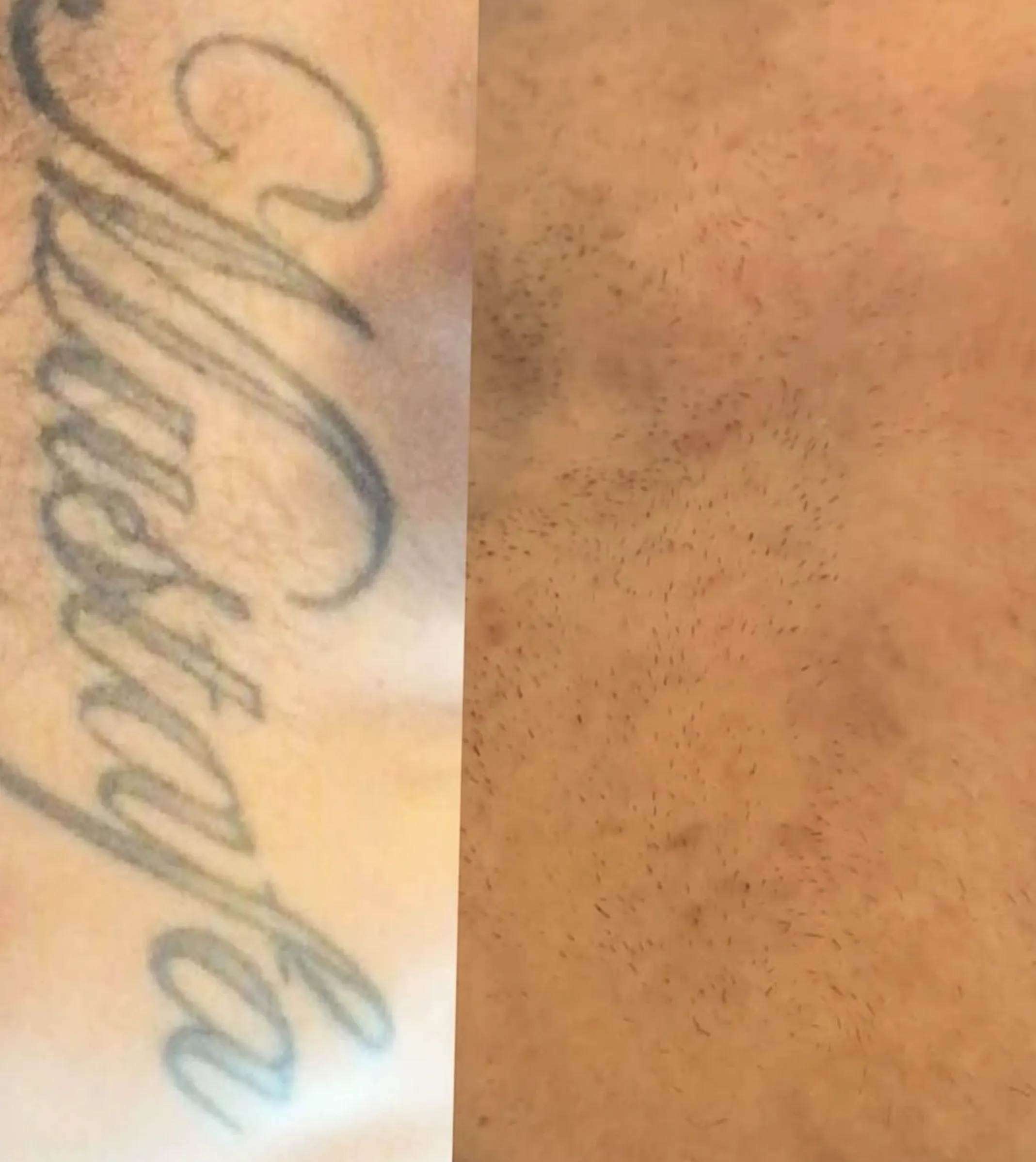
If you’re working with temporary tattoos, there are safer at-home removal tools than acetone, including:
- Baby oil or mineral oil — softens adhesive and pigment
- Coconut oil or olive oil — dissolves skin adhesive gently
- Soap and water — sometimes enough for fresh decals
- Rubbing alcohol — works on stubborn temporary ink but can be drying
- Makeup remover wipes or oil-based cleansers — especially those made for waterproof makeup
- Duct tape or sellotape — works for glitter tattoos by lifting the adhesive
- Cold cream — a classic for breaking down pigments on application areas
- Hydrogen peroxide or salicylic acid — mild chemical exfoliants for fading surface pigment
Even with temporary tattoo removal, go gently. Use circular motions with a cotton pad or wet washcloth, then rinse and apply a hypoallergenic lotion.
Professional Tattoo Removal Options
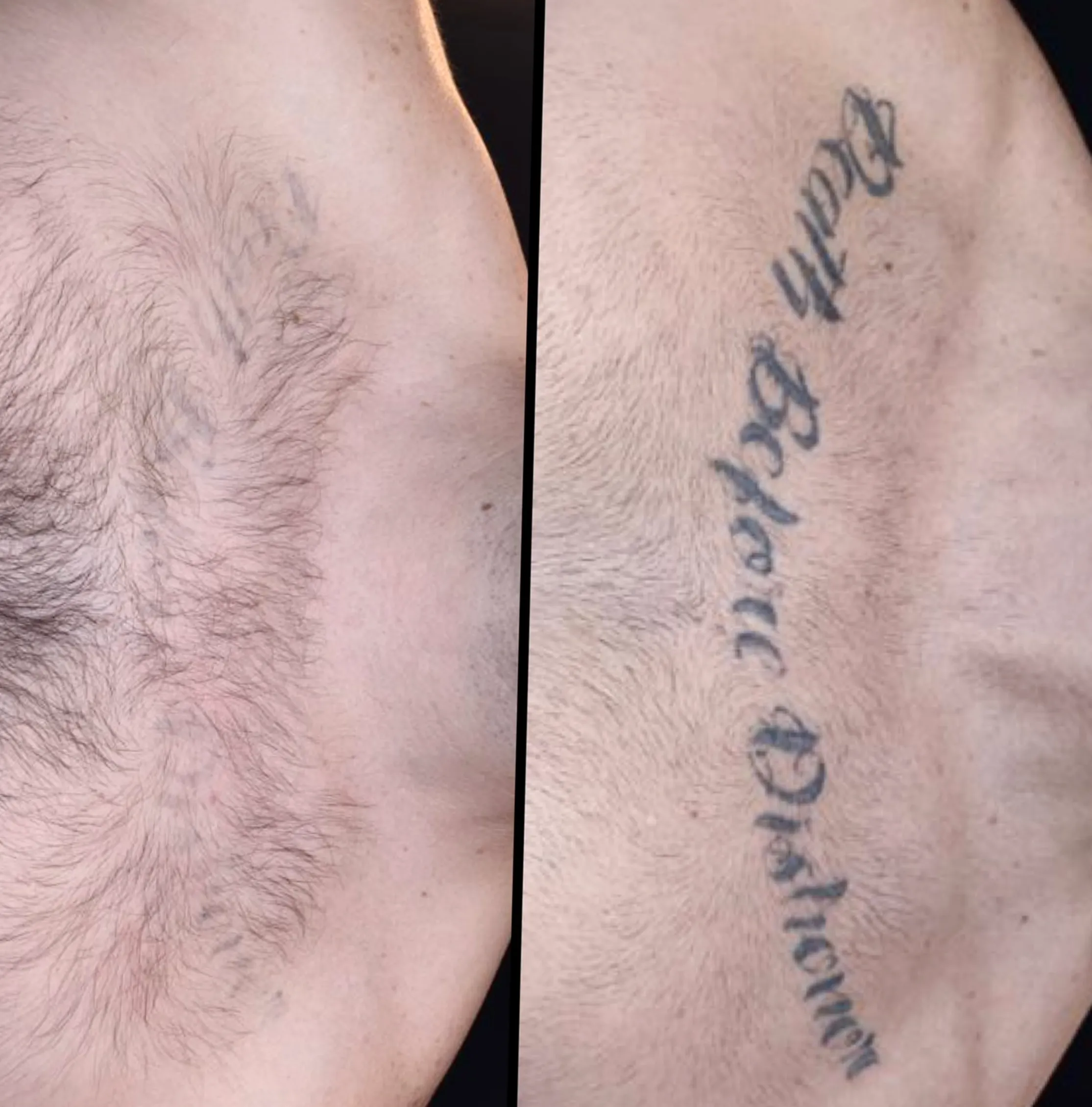
For anything deeper than the surface — like permanent tattoos or cosmetic brows — you’ll need professional help.
| Method | Best For | Pros | Cons | Typical Melbourne Price Range (2025) |
|---|---|---|---|---|
| Laser Tattoo Removal | Body art, darker pigments | Fast targeting of deep pigment | Can cause skin irritation, multiple sessions | $150–$400/session |
| Saline Tattoo Removal | Brows, eyeliner, lips | Gentle on sensitive skin | More sessions needed | $200–$350/session |
| Surgical Removal | Small tattoos | Immediate removal | Scarring risk | From $500 |
| Fade & Cover-Up | Large body art | Creative and cost-effective | Old ink is still present | From $200 |
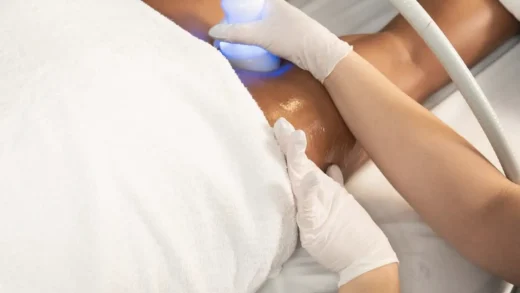
Interestingly, many people find laser hair removal to be less intense than their first laser tattoo removal session — but both require similar aftercare focus on moisturising, avoiding sun exposure, and protecting sensitive skin.
Why Saline Removal Works Best
For delicate areas, I recommend saline tattoo removal. It’s safe for sensitive skin, works on a variety of pigment colours, and has a slower, gentler removal process than laser. It also reduces the risk of triggering allergic reactions compared to some chemical removers.
Real Studio Story
One client came in after trying household tape and rubbing alcohol to remove an old brow tattoo. She’d read online that it “exfoliates” — but all it did was cause peeling and inflammation. We switched her to a professional plan with saline tattoo removal, proper aftercare (think hypoallergenic lotion, no exfoliating products), and careful monitoring. Within months, her brows were ready for a fresh, safe re-do.
Beauty Trend Data 2025
- Searches for “oil-based removers for temporary tattoos” are up 34%.
- “Temporary tattoo removal” queries have doubled since 2023.
- “Hypoallergenic lotion after tattoo removal” searches have grown by 26%, showing increased awareness of post-care and skin health.
At-Home Removal Guide
You’ll Need:
- Baby oil or olive oil
- Makeup remover wipes or oil-based cleansers
- Cotton pad or wet washcloth
- Cool compress for sensitive skin
Steps:
- Apply chosen oil-based remover directly to the tattoo.
- Massage in circular motions for 30–60 seconds.
- Wipe away with a cotton pad or wet washcloth.
- Wash with soap and water.
- Pat dry, then apply hypoallergenic lotion.
Final Thoughts
When it comes to both temporary tattoos and permanent ink, your safest bet is choosing the right tattoo removal method for your skin type and tattoo depth. Acetone-based nail polish remover might work in a pinch for decals, but it’s not worth risking skin irritation or an allergic reaction, especially on the face.
If you’re in Melbourne and want your ink gone without drama, book with a trained dermatology provider or laser tattoo removal specialist. And if you’re already familiar with the discipline of laser hair removal, you’ll appreciate how much expertise and precision go into making both services safe and effective.
FAQ
Will acetone remove a temporary tattoo?
Yes, but oil-based removers like baby oil or coconut oil are gentler for sensitive skin.
Can rubbing alcohol remove body art?
Yes for temporary ink, but it can dry out skin — follow with a hypoallergenic lotion.
What’s the safest method for hypoallergenic removal?
Use oil-based cleansers or cold cream, followed by gentle washing and moisturising.
Can I use scotch tape on a mermaid tattoo decal?
Yes, but only for glitter or adhesive-based designs — avoid on delicate skin.
How do I care for skin after removal?
Use a cool compress, avoid exfoliating products, and apply a hypoallergenic lotion to maintain skin health.