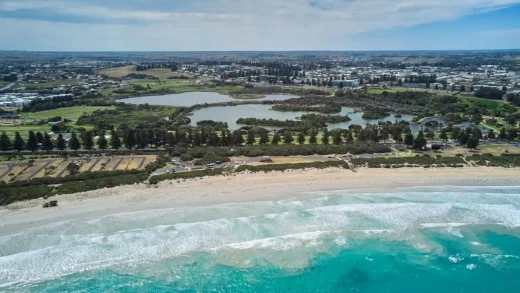
Phillip Island, off the coast of southern Victoria, Australia, is famous for its stunning landscapes, varied wildlife and the world famous Phillip Island Penguin Parade. But how natural is Phillip Island? Has human activity changed the environment, or is it still a natural wonder?
Natural Beauty of Phillip Island
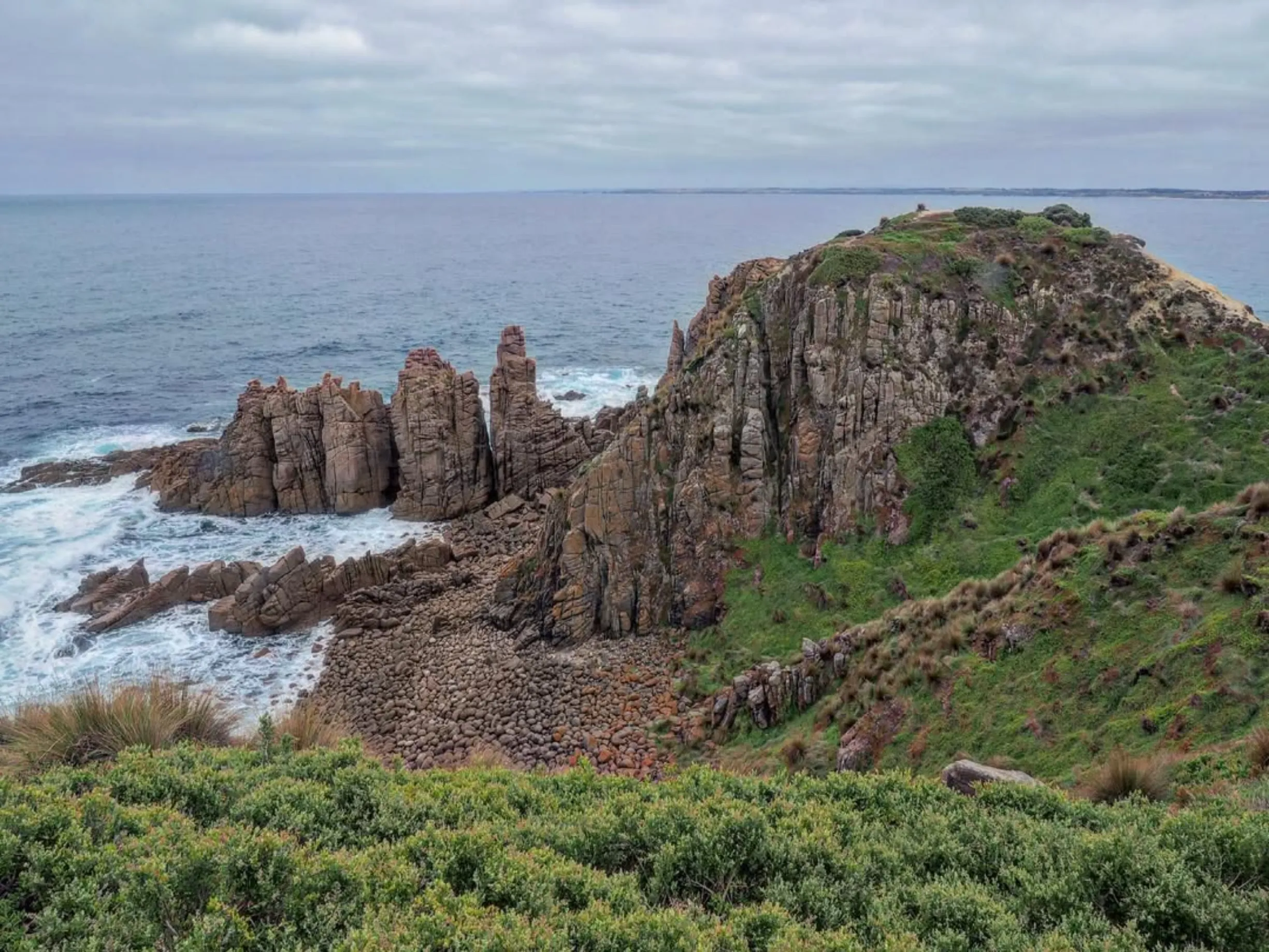
Phillip Island has a range of amazing landscapes, from rugged coastal cliffs and sandy beaches to nature reserves and wetlands. The island is home to an abundance of native flora and fauna, including Little Penguins, Australian fur seals, koalas, coastal birds and migratory bird species. It’s a must-visit for nature lovers and wildlife enthusiasts. You can explore its beaches, popular surfing beaches like Smiths Beach, bay beaches and secret beaches for locals.
One of the island’s biggest attractions is the Penguin Parade, where you can see Little Penguins returning to shore after a day at sea. This natural event is a highlight of many Phillip Island tours and allows you to get up close to the wildlife while learning about conservation.
Human Impact
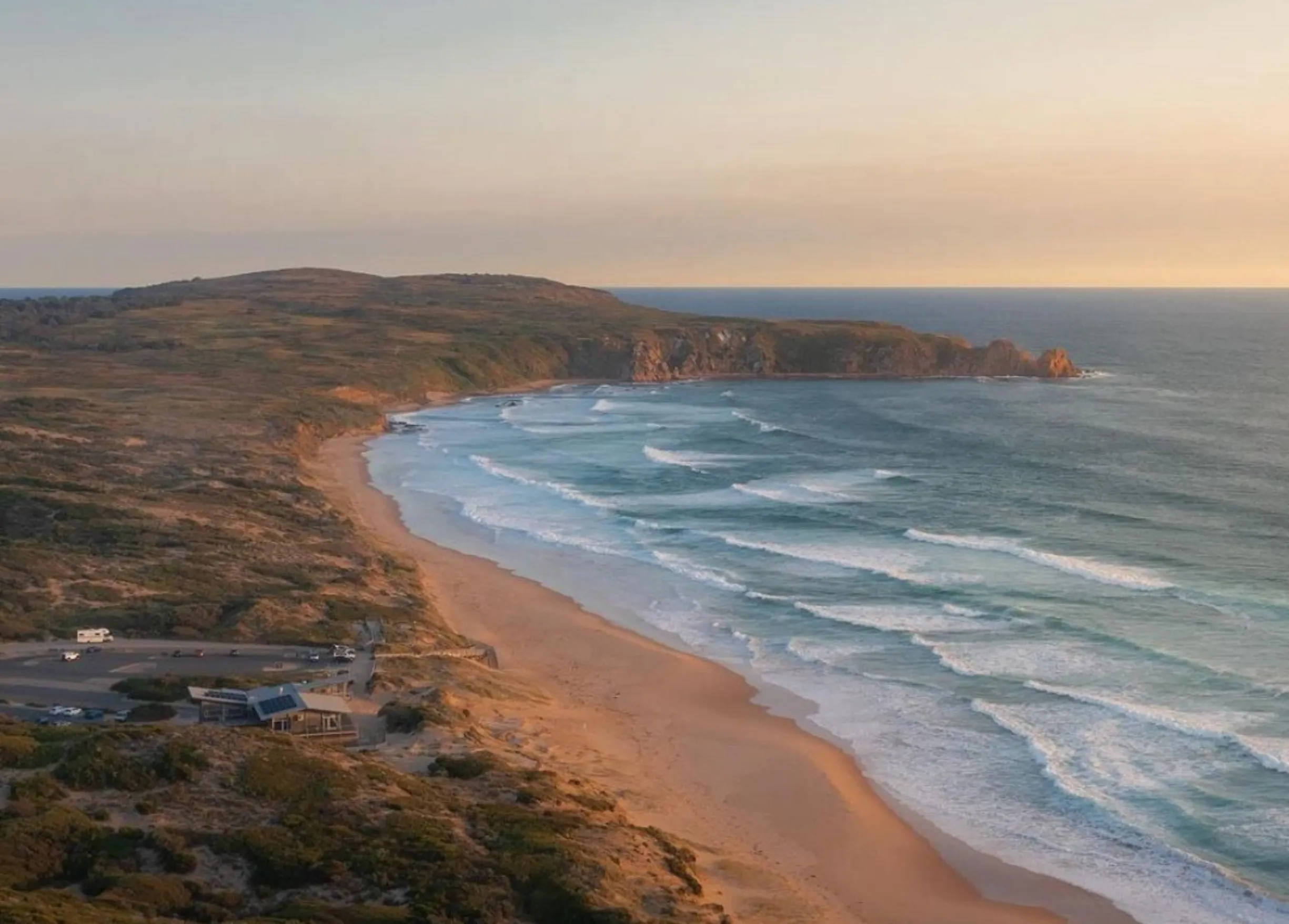
Despite its natural beauty, Phillip Island has had a lot of human impact. European settlers arrived in the 19th century and cleared the land for agriculture and buildings. Farming has altered the ecosystem, and adventure activities and tourism continue to shape the island. But conservation efforts have been in place for many years to restore and protect the fragile ecosystem.
Conservation and Restoration
Several organisations and government initiatives have worked hard to protect Phillip Island’s natural environment. Some of the key conservation efforts are:
- Phillip Island Nature Parks: A not-for-profit organisation that conserves the island’s wildlife and habitat and manages areas such as the Penguin Parade, Seal Rocks and the Koala Conservation Reserve.
- Revegetation Programs: These programs focus on restoring native vegetation and improving biodiversity so local wildlife can thrive.
- Wildlife Protection: Conservators monitor and protect species like the Little penguin so their breeding habitats are left undisturbed. The island also provides habitat protection for dolphins, killer whales, humpback whales and majestic migratory whales.
- Sustainable Tourism: With millions of visitors each year, eco-friendly tourism initiatives aim to minimalise the human impact on the island’s fragile ecosystem. Ecotourism attractions and major attractions like Churchill Island Marine National Park, the Koala Conservation Centre and Conservation Hill promote conservation awareness.
- International Wetlands Agreement: Phillip Island is home to Renowned Wetlands that play a vital role in preserving wetland habitat and supporting a wide range of bird species.
Nature and Tourism
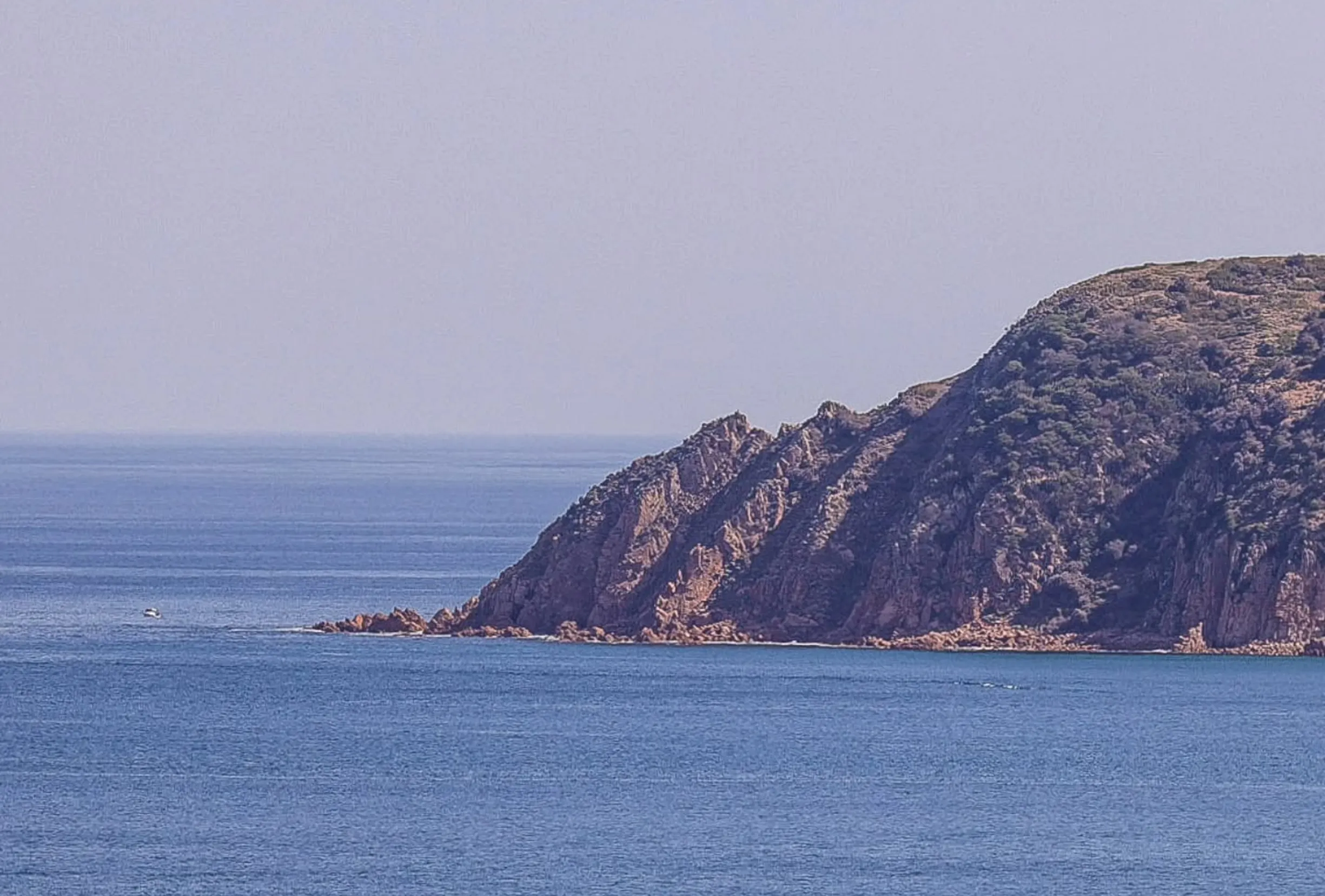
Phillip Island’s economy is heavily reliant on tourism, but there is a strong focus on sustainability. Boardwalks and designated viewing areas reduce the impact on sensitive habitats, education programs promote environmental awareness to visitors, and visitors can enjoy family attractions like Pannys Phillip Island Chocolate Factory, Phillip Island Tenpin Bowling and the Phillip Island Ice Cream Trail.
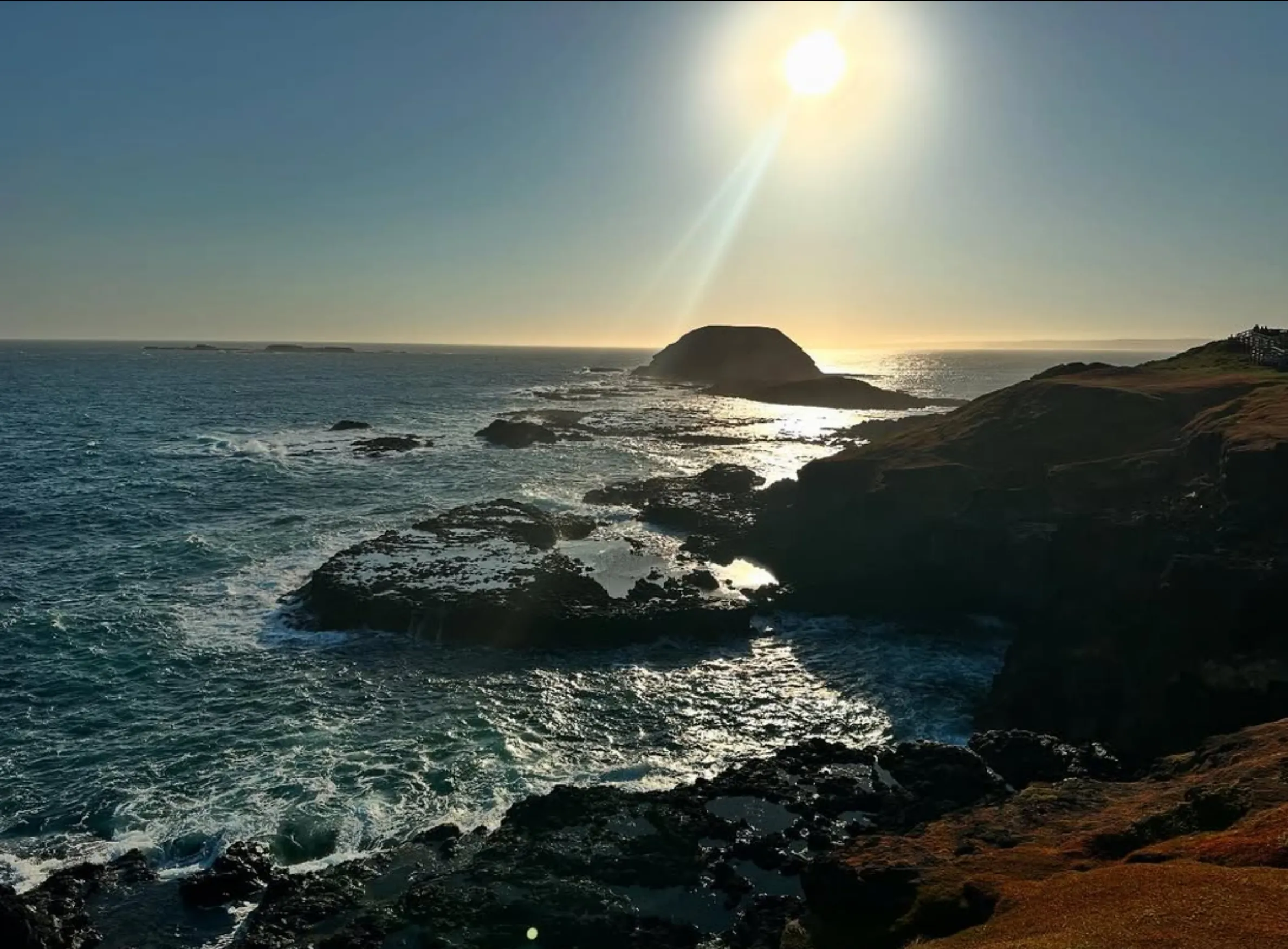
A Phillip Island day tour is a great way to see the island’s landscapes, wildlife and major attractions in one visit. Many of these tours include stops at the Penguin Parade for an unforgettable wildlife experience. Whether you’re looking for adventure, wildlife or relaxation, there’s a Phillip Island tour for every traveller.
For unique accommodation, Phillip Island Holiday Homes and Phillip Island Park Lane Holiday Park offer comfortable stays in the island’s natural surroundings. You can get around the island easily with the Phillip Island Bus, which connects the various island towns, including San Remo and the famous San Remo Channel Challenge.
Conclusion
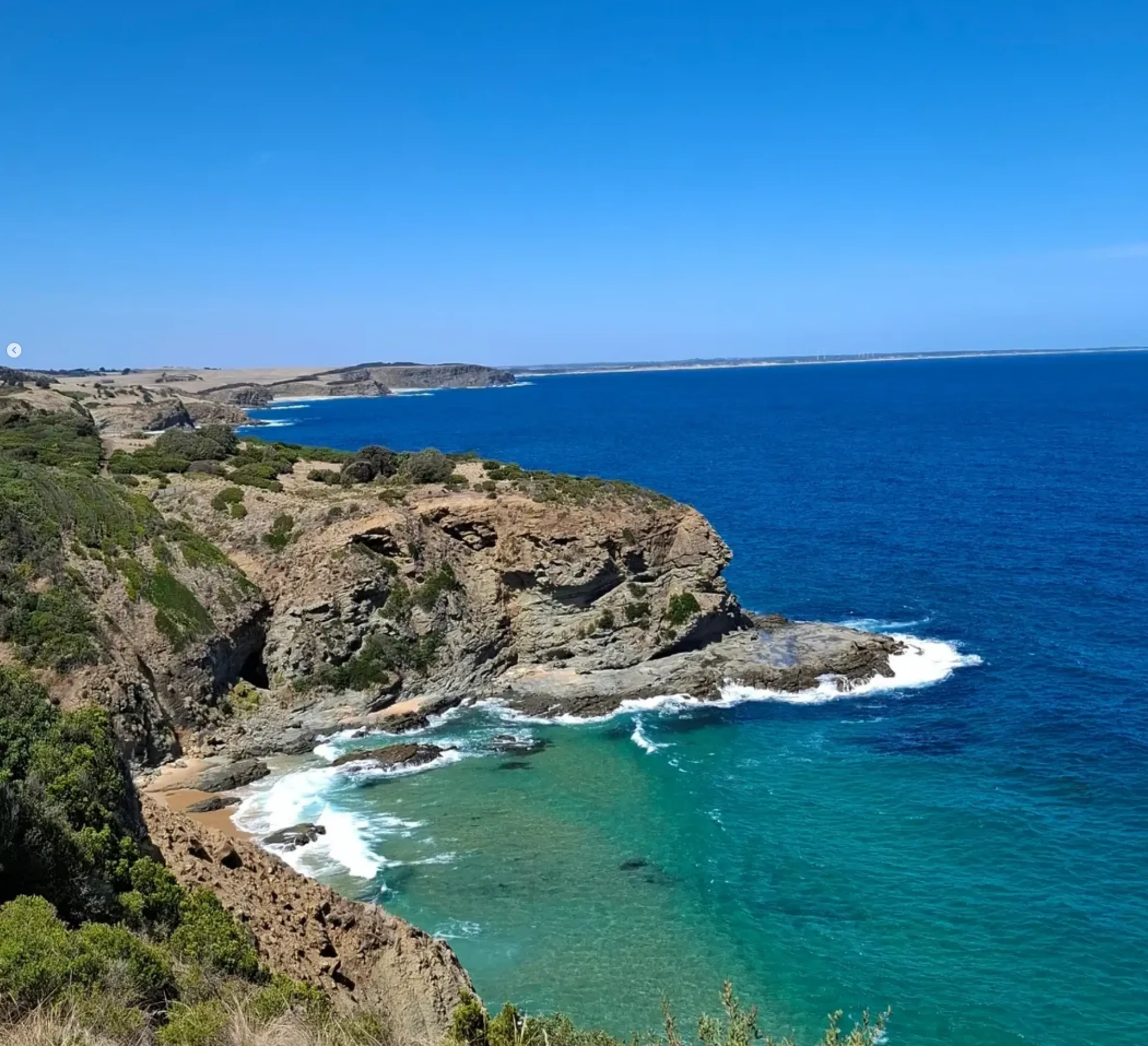
Phillip Island has been touched by human hands but dedicated conservation efforts have kept it natural. Thanks to ongoing restoration and ecotourism, the island is still a natural paradise where wildlife thrives. From serene scenery and majestic coastlines to the largest fur seal colony at Seal Rocks, Phillip Island is a wildlife wonderland where you can stay connected to wildlife.
If you are visiting, please do so responsibly and support conservation efforts to keep this unique ecosystem protected.
Frequently Asked Questions
When is the best time to visit Phillip Island?
The best time to visit is during summer (December to February) when the weather is warm and outdoor activities are in full swing. But if you want to avoid the crowds, spring and autumn are also pleasant, with fewer visitors.
How do I see the Penguin Parade?
You can see the Penguin Parade by purchasing tickets through Phillip Island Nature Parks. There are various options available, including penguin parade tours that give you a guided insight into the life of these cuties.
What wildlife can I see on Phillip Island?
Phillip Island is home to a wide range of wildlife, including Little Penguins, Australian fur seals, koalas, coastal birds and migratory bird species. You may also see dolphins, humpback whales and even whales during their migration season.
Are there any eco-friendly activities on Phillip Island?
Yes! Phillip Island has many ecotourism attractions, including the Koala Conservation Centre, Churchill Island Marine National Park and nature reserves. Many Phillip Island tours focus on sustainability and conservation, so you can enjoy the island without hurting the environment.
What are the must-see attractions on a Phillip Island day tour?
A Phillip Island day tour typically includes visits to major attractions like the Penguin Parade, Seal Rocks, Koala Conservation Reserve, Smiths Beach and Conservation Hill. Some tours may also include stops at Pannys Phillip Island Chocolate Factory, Phillip Island Tenpin Bowling and the Phillip Island Ice Cream Trail for family fun.