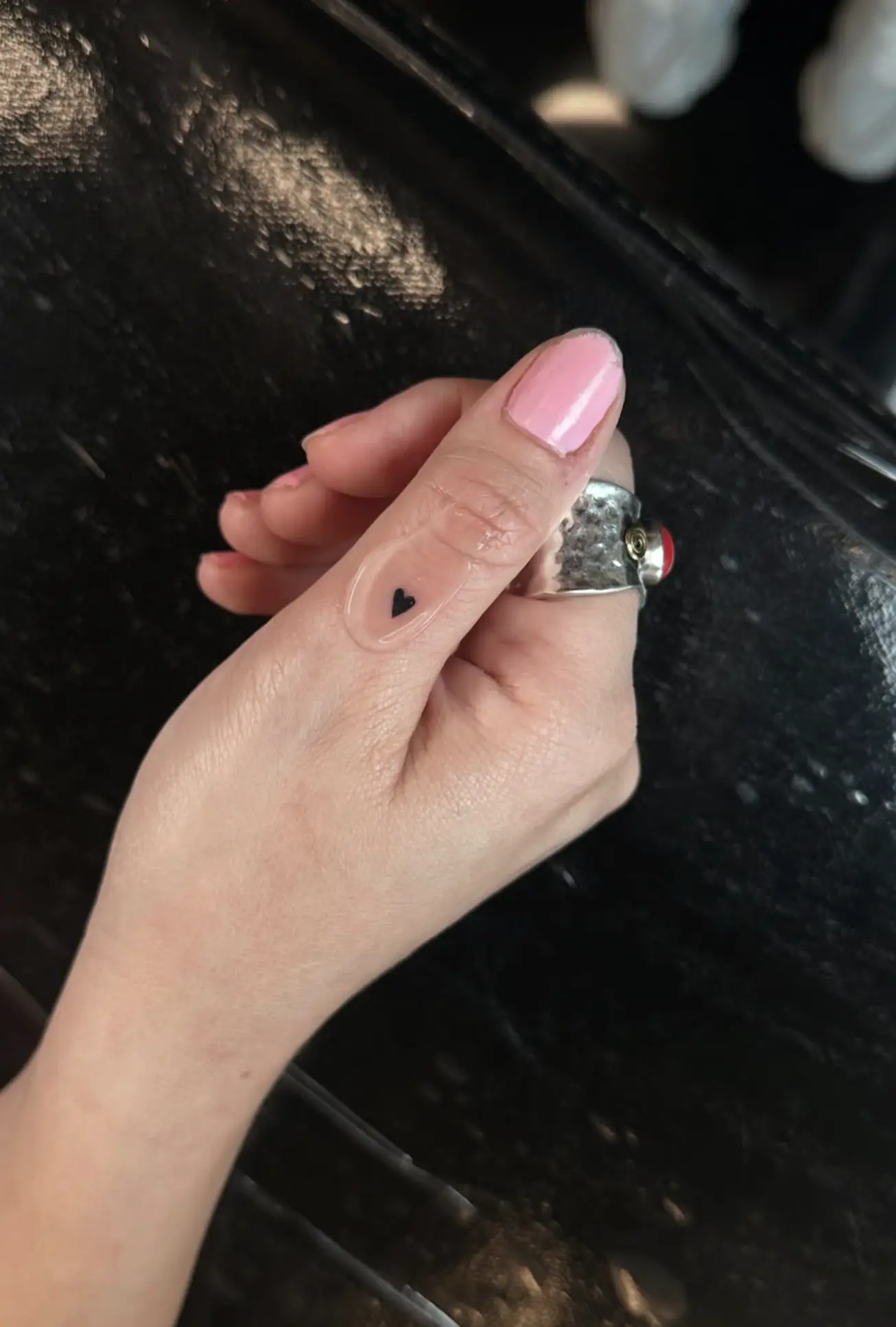
So you’ve been eyeing those Instagram-perfect fine line tattoos — you’re not alone. Fine line tattoos have become the go-to for tattoo enthusiasts wanting subtle ink that whispers instead of shouts. But what are the downsides of fine line tattoos, especially when you want that delicate script or minimalist tattoo shape to stay crisp for years?
Here in Melbourne, we’ve seen a surge of clients wanting elegant single-needle tattoos. And while they look beautiful initially, not every skin type, lifestyle, or expectation matches what this style can actually deliver long term. That’s why understanding the commitment behind a fine line tattoo is just as important as choosing the design itself.
So before you commit to your first (or next) micro tattoo, let’s talk about what doesn’t get posted with the filtered close-ups.
Contents
- 1 Single Needle = Single Point of Failure?
- 2 The Delicacy Factor
- 3 Let’s talk truthfully about fading
- 4 How Lifestyle Choices Speed Up Tattoo Ageing
- 5 What is a blowout anyway?
- 6 The myth of “tiny tattoo, tiny pain”
- 7 Design Limitations and Ageing Ink
- 8 Cheaper… but Not?
- 9 Who Should Avoid This Style?
- 10 How to Get the Most Out
- 11 FAQ
Single Needle = Single Point of Failure?
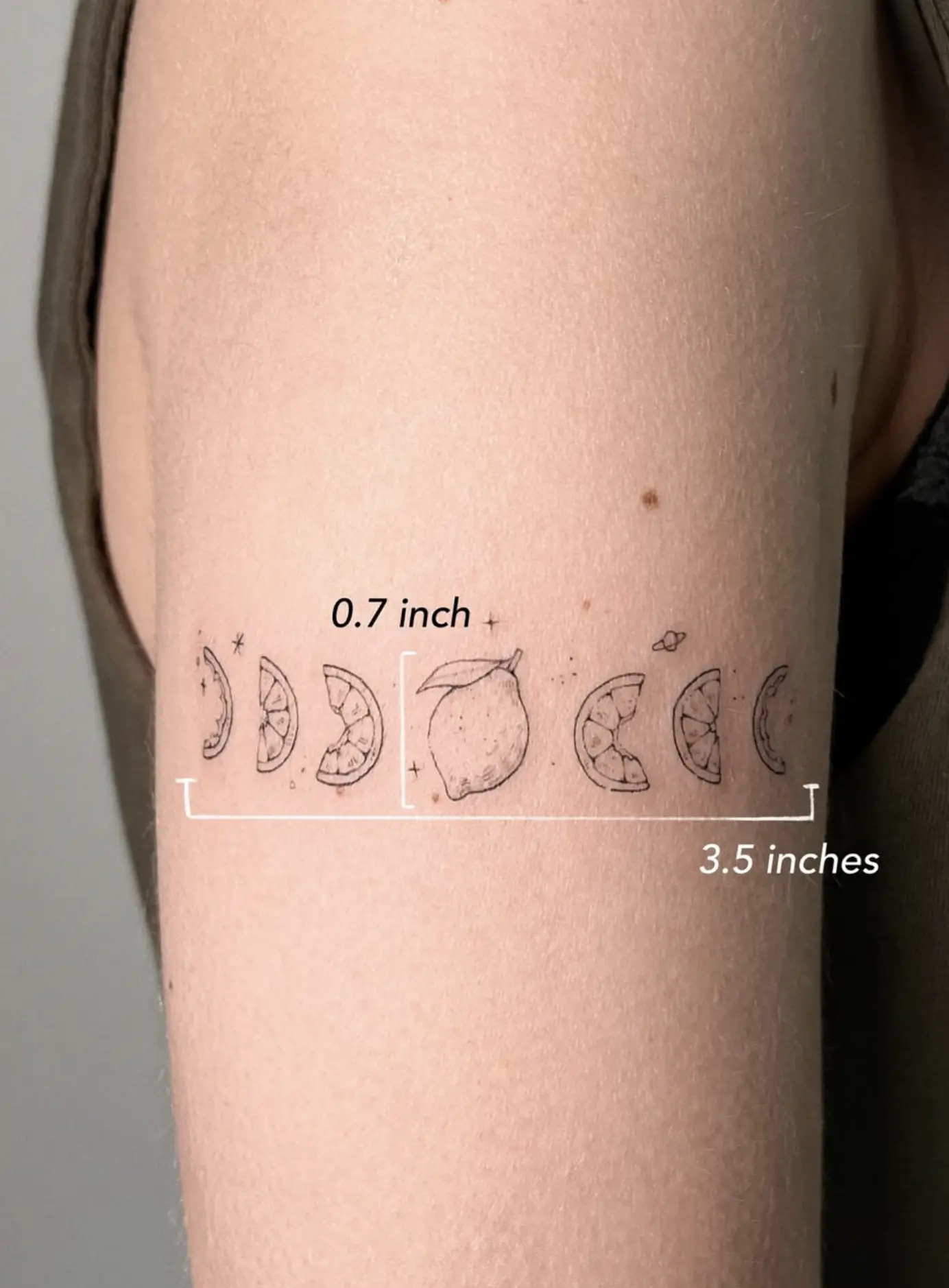
Fine line tattoos are done with a single needle instead of the traditional multiple-needle configuration. This gives the line its ultra-thin delicate quality — but it also makes it more fragile.
The smaller the needle, the less ink it deposits. Less ink means the skin has less to hold on to during the healing process, and the tattoo is more prone to fading or blurring. It’s beautiful, yes. But that clean, crisp look — especially in black or grey ink — can fade faster than you expect. This is part of the reason why more artists are refining their technique through a fine line tattoo course to deliver more predictable results.
The Delicacy Factor
Different skin types react differently to fine line tattooing. For clients with oily skin or textured skin, or skin with large pores, the delicate lines may not hold as well.
On drier or finely textured skin (especially on the inner forearms or behind the ear), results tend to be more stable. At Face Figurati, I always do a skin assessment first. I had one client in her 50s wanting a thin floral wrist tattoo using single needle technique, and because her skin was well hydrated and not prone to excess oil, her healed work was crisp and lasted beautifully.
If you want long-lasting results from your fine line tattoo, placement and aftercare matters more than people realise.
Let’s talk truthfully about fading
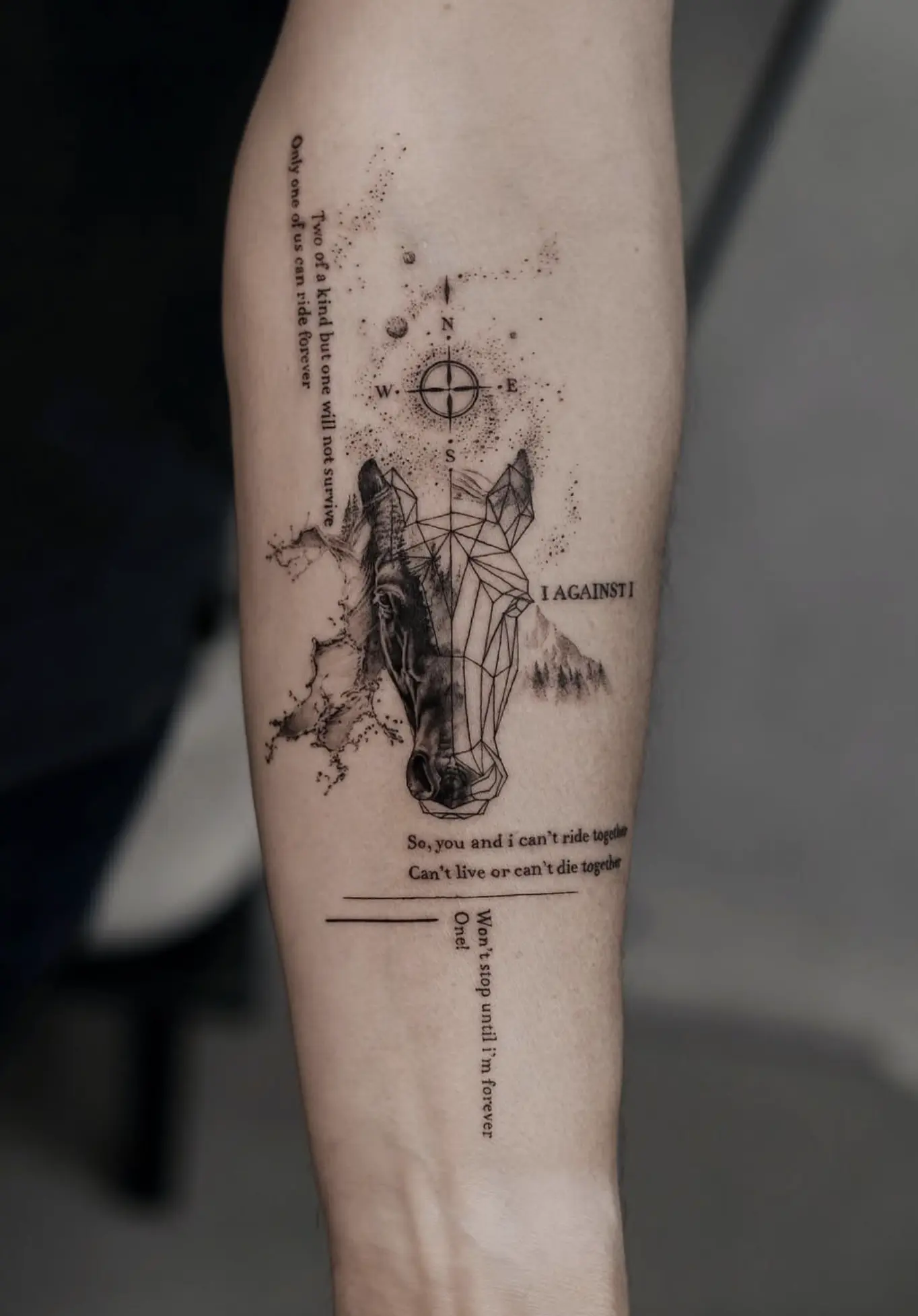
Because fine line tattoos use less ink and often a one-needle machine, they fade faster than bold line work. Add in your body’s natural immune system, lymphatic system, UV rays and lifestyle (yes, sweaty workouts and exfoliating count), and your tiny tattoos might start to soften within a year.
If you love the look of a fine line tattoo, just know it comes with regular maintenance. You’re not being dramatic — it’s the reality of this minimalist style.
How Lifestyle Choices Speed Up Tattoo Ageing
If you’re in the Melbourne sun a lot, love saunas or beach days, or exfoliate your skin constantly, you might be unintentionally fast forwarding the life of your fine-line piece.
Even something as simple as where your tattoo rubs against clothing can affect it. Tattoos on ankles, wrists and collarbones are in contact with elastic, jewellery or waistbands all the time. Over time, this repeated friction dulls the thin lines and can cause ink migration.
Sun exposure is a big one. UV rays break down ink pigments and fade black ink faster. If you’re getting fine line tattooing on sun-exposed skin, daily SPF is a must — not a maybe.
What is a blowout anyway?
A tattoo blowout happens when ink is placed too deep and spreads into the surrounding tissue. It’s more visible in fine line work because there’s no shading or boldness to hide it.
Even skilled tattoo artists can have trouble with single needle tattoos on tricky areas. Thin skin zones (like the tops of hands or feet) are more prone to blowouts.
If you’re not seeing a tattoo artist who specialises in this style or they’re not using properly tuned tattoo machines with the right lining needles, the risk of blowouts and uneven lines goes up.
The myth of “tiny tattoo, tiny pain”
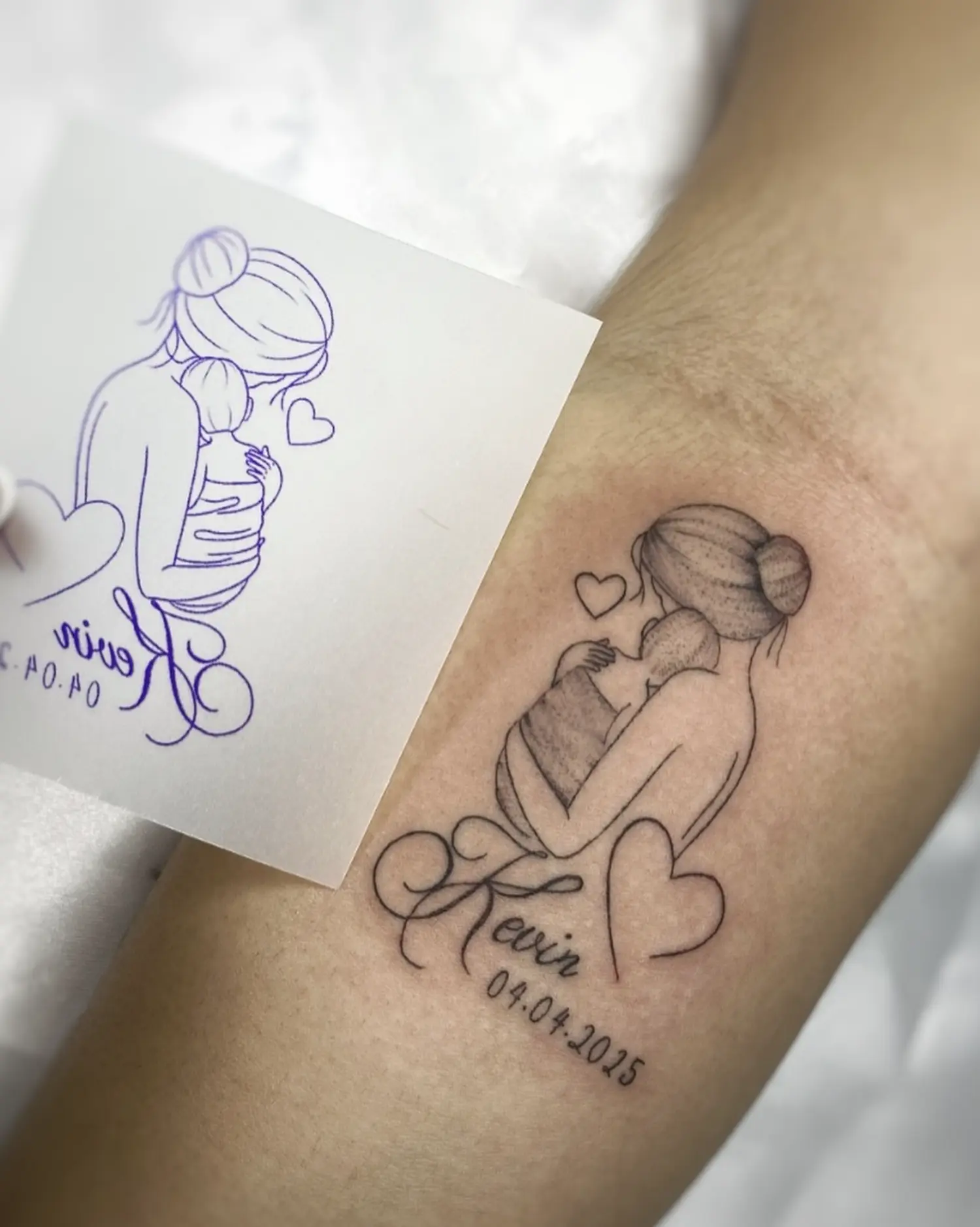
Don’t let size fool you — just because it’s small doesn’t mean it’s painless.
Fine line tattoos often require slower hand speed and more precision. That means the needle may stay in one spot longer than a bold line design would.
In my experience, finger tattoos, ribs, spine, and sternum are the most sensitive. I always use a numbing agent when appropriate, but pain tolerance varies wildly. Some clients doze off. Others squeeze the stress ball like their life depends on it.
Design Limitations and Ageing Ink
Fine line tattoos don’t leave much room for ink expansion. Over time, all tattoos spread slightly under the second layer of skin. In bold styles this can look intentional. But for minimalist designs with geometric shapes or tiny script, it can make your once elegant tattoo look like a blurry scribble.
I always advise against super intricate reference images under 3cm. That microscopic geometric shape or fine script design? Better off scaled up.
And when it comes to ageing tattoos? Even the best healed work softens. So pick something you won’t mind evolving with you. When I discuss this with clients, I often show examples of healed fine-line tattoos to manage expectations.
Cheaper… but Not?
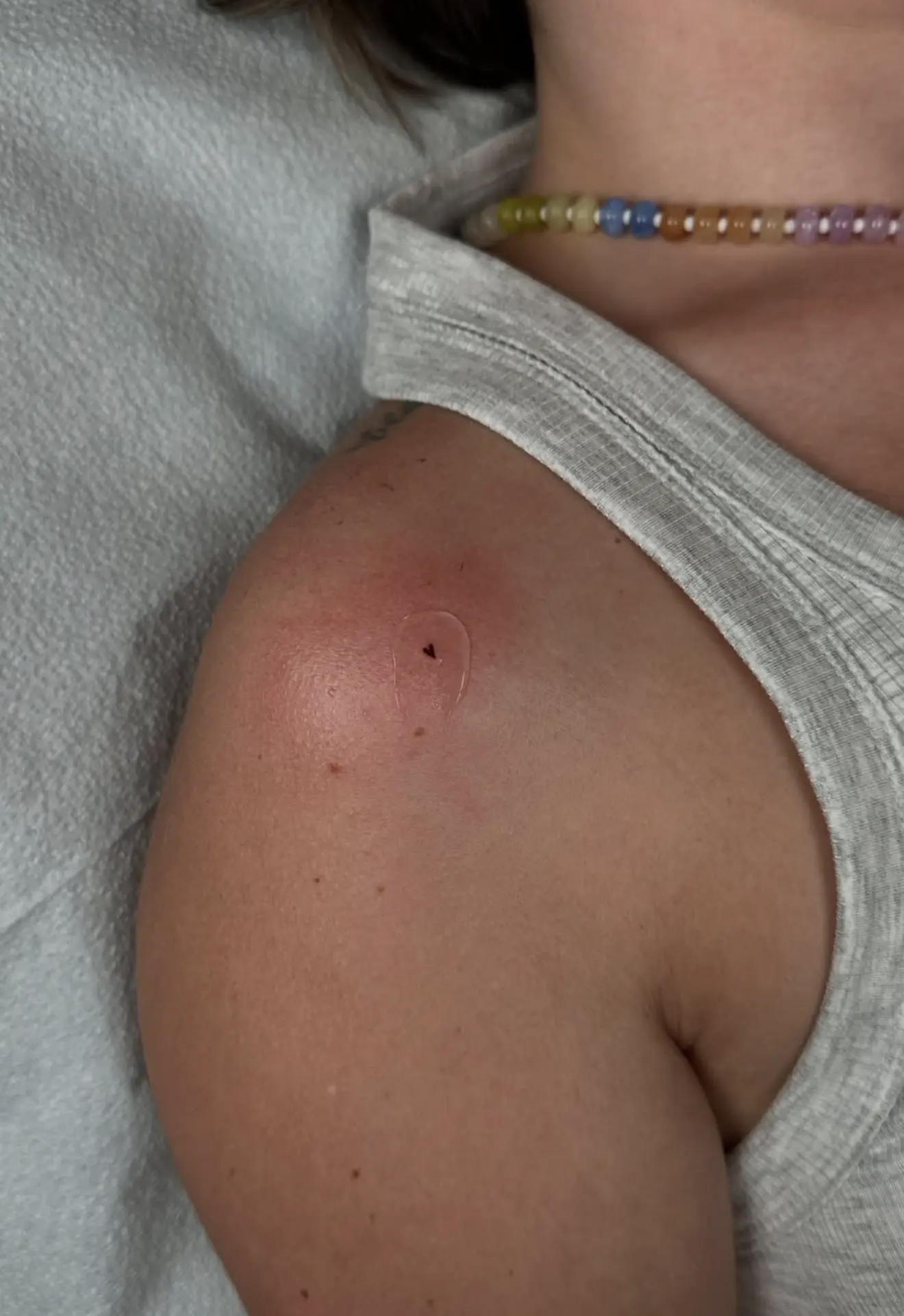
A lot of people assume because fine line tattoos are small, they’ll be cheaper. And yes, they often take less time to apply. But here’s the kicker — they usually need more frequent touch-ups.
So while your initial quote might be $150 for a minimalist design, you could be back every year or two for another $100 session. It adds up.
Also, not all tattoo shops include free touch-ups. At Face Figurati Cosmetic Tattoo Studio in Melbourne, we assess healed work and offer one complimentary session within a set period, but ongoing maintenance is priced separately. That’s why many tattoo artists now warn clients about the long-term upkeep of a fine-line tattoo.
Who Should Avoid This Style?
Fine line tattooing isn’t for everyone. If you have:
- Darker skin tones and want high contrast (the lines may be too subtle)
- Very oily skin or textured skin
- A job that exposes your skin to sun or friction daily
- A low pain threshold in sensitive areas
- Expectations that the tattoo will last forever without touch-ups
…you may want to consider other tattoo styles or artists who specialise in shading techniques and bold line work.
There are beautiful black and grey designs or dotwork styles that heal better on certain skin types. And that doesn’t make them less artistic. It makes them smarter choices for long-term wear. If you’re not sure what suits your skin best, a consultation before committing to a fine line tattoo is key.
How to Get the Most Out
- Choose areas with minimal friction and low sun exposure (inner upper arm, ribs, behind ear)
- Avoid tiny text below 5mm high
- Use SPF daily after healing
- Follow your tattoo artist’s aftercare strictly (including dry healing, no picking, no gym for 3-5 days)
- Be prepared for touch-ups — and budget for them
And most importantly? Choose fine line tattoo artists who have experience and post healed work — not just fresh Instagram snaps. The fine line tattoo space is full of talent, but it pays to do your homework.
FAQ
Do fine-line tattoos fade more than traditional tattoos?
Yes, they do. More frequent touch-ups.
Can you do fine-line tattoos on dark skin tones?
Yes, but depending on the ink pigments and contrast, the results may be subtle. Some designs benefit from extra shading.
Are single needle tattoos more painful?
They can be. Despite being smaller, the single needles require more precision and time in one spot.
How soon do fine-line tattoos need touch-ups?
Most clients return within 12–24 months depending on skin type, immune system, placement, and sun exposure.
Can I get fine line tattoos removed easily?
They are removable, but lighter black ink and shallow placement can sometimes challenge laser removal results. Always ask a specialist.