Can cryotherapy lower your baseline cortisol? – it’s a question I get asked more often than you might think – usually by folks juggling the busiest of lives, hormonal shifts and skin problems that suddenly seem to be a major pain in the neck. From my experience at The Facial Hub, the short answer is: it might help regulate stress hormones and support the nervous system, but it’s a temporary solution rather than a long-term fix for chronically high cortisol.
Cortisol is inextricably linked to your autonomic nervous system, sleep quality and how your adrenal glands respond to all the pressures in your life. Don’t get me wrong, whole-body cryotherapy can have some amazing benefits – I’ve seen it calm systemic inflammation, improve mental wellbeing, and help out with muscle recovery – but lowering your baseline cortisol level is a whole different story.
Let’s talk this through in a bit more detail, without all the hype.
Contents
- 1 Understanding Stress Hormones And Their Impact On Skin
- 2 How Cold Exposure Influences The Body’s Stress Response
- 3 What The Evidence And Clinical Practice Show Over Time
- 4 What Happens In The Body During And After Sessions
- 5 How Brisbane’s Climate Quietly Influences Stress Levels
- 6 Where This Treatment Fits Into A Balanced Wellness Plan
- 7 Safety Standards And What To Expect From Treatment
- 8 Supporting Long-Term Balance Beyond Treatments
- 9 Final Thoughts From The Treatment Room
- 10 FAQ
Understanding Stress Hormones And Their Impact On Skin
Before we get into ice baths and cryotherapy chambers, we need to get our heads around what we’re dealing with. Cortisol isn’t inherently “bad” – it’s a vital part of our stress response system. But if it becomes chronically elevated, it can totally disrupt your neuroendocrine stress profile.
Cortisol is controlled through the hypothalamic-pituitary-adrenal axis, and it has a huge impact on the adrenal medulla, stress biomarkers and the circulatory system more broadly. It affects inflammatory markers, your immune system’s response, and even oxidative stress levels in your body. In my experience, chronically high cortisol often shows up as skin problems, slower wound healing and sleep disturbances that people often overlook.
Research up to 2025-2026 suggests that chronically high cortisol levels are linked to increased inflammatory cytokine levels, such as tumour necrosis factor, reduced antioxidant capacity, and impaired collagen production – all of which can accelerate skin ageing and sensitivity.
How Cold Exposure Influences The Body’s Stress Response
Cold exposure can be a real trigger for the body – but it’s a controlled stress, not a way to eliminate stress.
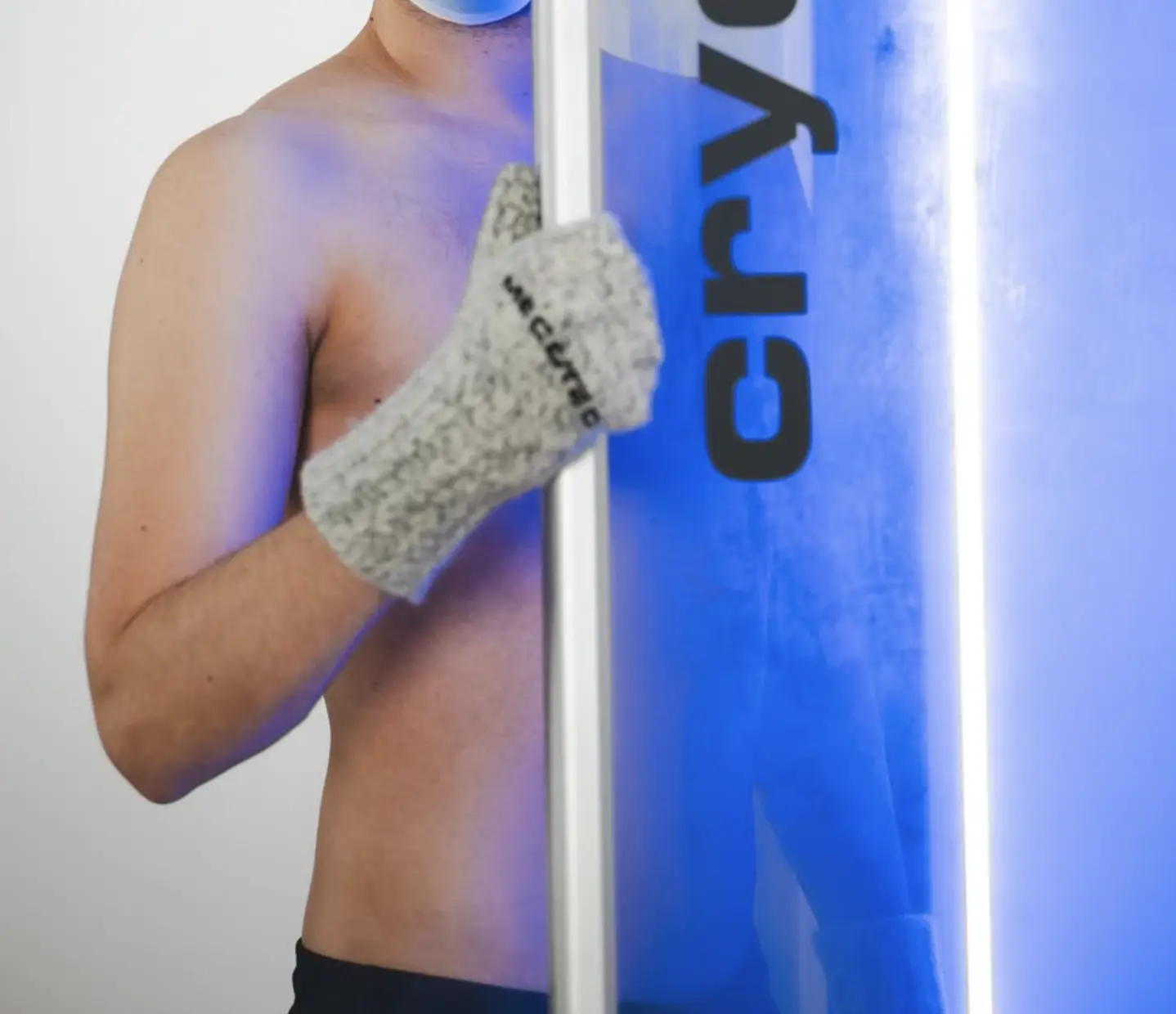
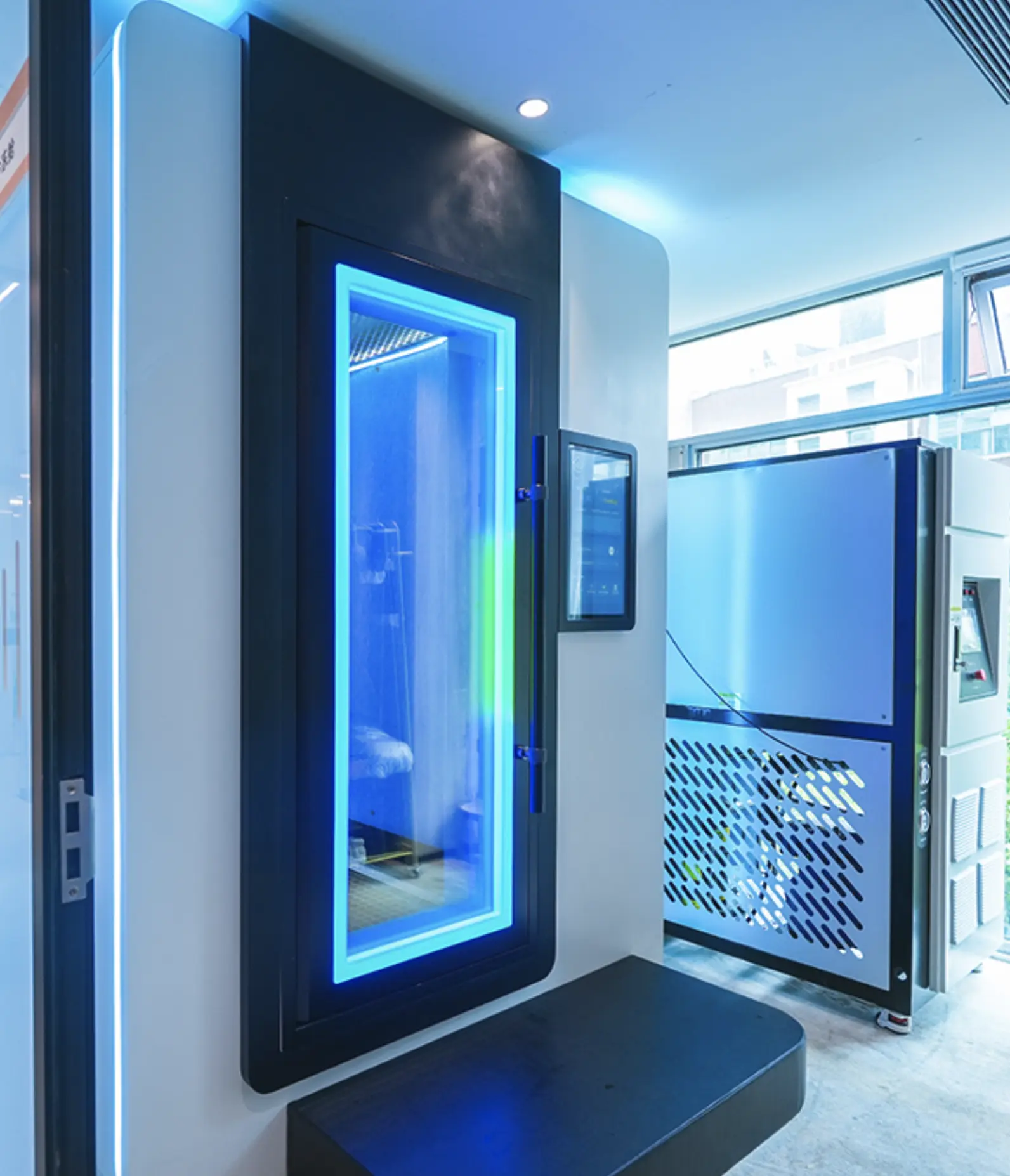
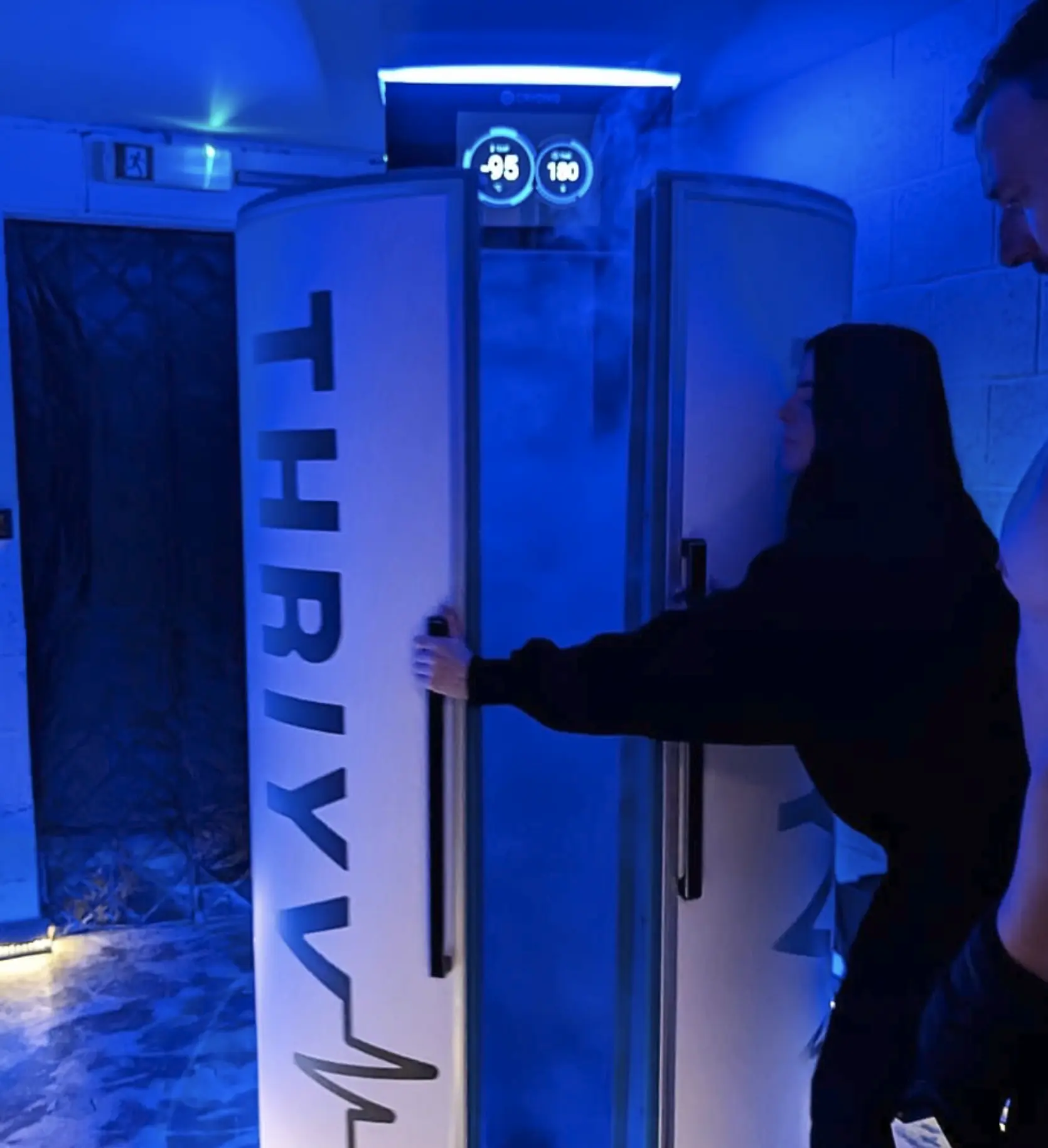
When you step into a whole-body cryotherapy chamber, your body activates the sympathomedullary pathway. Blood vessels constrict quickly, redirecting blood flow and getting the cardiovascular system going. This brief period of stress can prompt the release of endorphins and affect the serotonergic system and the dopaminergic neurons, which is why people often report an immediate mood boost.
From a biological standpoint, cryotherapy can support the body in a number of ways – by reducing inflammation markers, enhancing immune function and improving antioxidant responses such as glutathione peroxidase activity. But these benefits are short-term unless you pair them with consistent lifestyle changes.
What The Evidence And Clinical Practice Show Over Time
Time to strip away the hype and get real
There’s a growing body of evidence that suggests whole-body cryostimulation has some potential to impact stress markers in the body – including the hormonal stuff linked to cortisol. In sports medicine, some studies have found that people who do this regularly have lower levels of creatine kinase and lactate dehydrogenase, which are indicators of muscle damage and inflammation, and they seem to be in a better mental place, too.
But the truth is:
- These changes reflect better resilience, not a permanent hormonal reset
- Long-term balance still depends on sleep, recovery, and nervous system regulation
What I’ve seen in the clinic is that the people who really benefit from cryotherapy are the ones who use it as one piece of a bigger wellness puzzle – not as a standalone magic bullet.
What Happens In The Body During And After Sessions
Understanding what happens when and how helps set the right expectations – and where cryotherapy can actually help the body out.
| Phase | What Happens In The Body | How You Feel |
|---|---|---|
| During Session (2–3 mins) | Blood vessels constrict, and stress hormones spike briefly via the adrenal glands | Intense cold, alertness |
| Immediately After | Blood flow rebounds, metabolic stimulation increases, and endorphins are released | Energised, uplifted |
| 1–3 Hours Later | Reduced inflammatory markers, improved circulatory system function | Calm, clearer |
| Regular Sessions (Weeks) | Improved immune system response, better muscle recovery and joint mobility | More balanced overall |
With consistency, I often notice improvements in muscle soreness, joint mobility, and overall performance recovery — especially in clients managing inflammatory or autoimmune conditions.
How Brisbane’s Climate Quietly Influences Stress Levels
Brisbane’s environment plays a far bigger role in your stress response than most people ever stop to think about.
Heat, humidity, and UV exposure can really crank up oxidative stress, mess with your sleep quality, and put a lot of strain on the autonomic nervous system. I’m seeing this all the time with clients who are dealing with flare-ups in their skin conditions, increased inflammation and fatigue, all linked to the changing seasons.
Using cold therapy – whether it’s cryotherapy or straight up cold water immersion – can really help regulate your body temperature and reduce those inflammation markers. Now I know you might have looked into cryotherapy prices in Brisbane online and seen that there are loads of options, but the truth is, the results you get depend far more on whether you stick to it than on how much it costs.
Where This Treatment Fits Into A Balanced Wellness Plan
If you’ve been in my treatment room at The Facial Hub, you’ll know that I see cryotherapy as a useful tool that’s best used in conjunction with other treatments – not as a magic bullet on its own.
It’s particularly good for:
- Clients who are burnt out to the bone
- People are going through hormonal changes that are messing with their stress levels
- Folks dealing with muscle damage, joint inflammation or just plain old persistent skin concerns
I’ve worked with a client who was struggling with sleep disturbances and ongoing redness on her skin – we used a combination of whole-body cryotherapy, calming facials and some lifestyle adjustments and over time her skin started to look a lot better and her stress levels came down.
When people ask me about cryotherapy prices in Brisbane, I always have to tell them that the real value comes from whether it fits into their overall routine – not just how much it costs.
Safety Standards And What To Expect From Treatment
This is where having a professional really matters.
At The Facial Hub, we’re big on:
- Making sure people are safe in the cryotherapy chamber
- Screening for any cardiovascular system concerns or contraindications before we even start treatment
- Being super strict about hygiene and treatment protocols
Cryotherapy is generally safe for healthy people, but it’s not suitable for everyone – especially those with complex medical conditions like adrenal insufficiency or unmanaged autoimmune conditions.
Prices in Brisbane (subject to change – I’ll make sure to keep you updated as prices change)
- AUD $50-$90 per session
- Packages are recommended for consistency
And let’s be honest – you’re not going to see any decent results without consistency.
Supporting Long-Term Balance Beyond Treatments
There’s one thing I always come back to when talking to clients: your baseline cortisol level is influenced much more by your lifestyle than by any one treatment.
Cryotherapy can help support your immune function, reduce inflammation markers and just generally improve your mood – but if you’re not incorporating some consistent habits into your life, then you’re not going to see any real change.
That means
- Getting good quality sleep
- Taking care of your nervous system
- Making sustainable self-care a priority
Final Thoughts From The Treatment Room
I’ve seen how cryotherapy can become a real lifesaver for people who just can’t seem to shake off the feeling of being on edge, and who desperately need a way to reboot their nervous system.
But let’s be clear – it’s not a magic wand. It’s just a tool to help you get back on track.
If you’re curious whether this might be the right fit for you, drop by The Facial Hub, and we’ll have a proper chat about it. The aim here is always to find that balance – not some sort of quick fix.
FAQ
How does being exposed to cold affect your stress hormones?
The deal is that cold exposure can trigger a short-term spike in stress hormones, which can actually make you more resilient to stress in the long run. And it can help regulate your body’s overall response to stress.
Can this treatment help take the edge off inflammation?
Yeah, regularly using cryotherapy can help reduce those inflammatory markers and support your body’s natural recovery processes.
Will this sort of thing actually help you recover after a workout?
It can definitely help with muscle recovery, ease those post-exercise aches and pains and generally help you bounce back from a tough session.
Does it also help you get better sleep?
Loads of our clients have noticed they’re sleeping a lot better because of its calming effect on the nervous system.
Who should steer clear of this treatment?
If you’ve got any serious heart conditions or other pretty complicated health issues, your first port of call should be to take a trip to the doctor and get some advice before you try cryotherapy.